

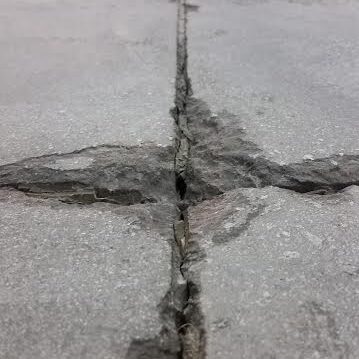
Concrete Repair Services for Industrial & Commercial Floors
Protect Your Floors from Costly Damage
Concrete floors naturally crack as they cure and settle over time. Professional control joints and caulking application will help reduce damage and extend floor life.
Control Joint Solutions that Protect Your Slab
Control joints are designed to manage the natural movement and shrinkage of concrete by encouraging cracks to form along straight, planned lines. By directing crack formation, control joints help minimize random surface damage and protect the overall integrity of the slab.
Learn more about concrete floor cracks from CPC Blogs:

Strengthen Slab Protection Long-Term: Joint Filling & Concrete Crack Repair
Control joints are essential to managing concrete movement, but they can deteriorate over time without proper protection. This is why it’s recommended to take another safety measure and fill in the joints and cracks to extend their service life and life of your floor and vehicles.
Here are some of the most common solutions:
- Concrete Sealers – Sealers are made of a soft material that fills in the small cracks and prevents moisture, debris, and liquids from getting in. It expands and contracts with the concrete and keeps the surface of the floor smooth and even.
- Fillers – For high-traffic areas or places with significant spalling, rigid fillers are used to replace the damaged concrete and restore strength and evenness to the floor.
- Specialized Fillers – If your facility handles corrosive chemicals or experiences recurring cracking, you may need to work with a flooring expert to customize a solution.
Are your floors damaged?
The fastest way to get real answers to your questions about your concrete floor damage is to fill out the form and let us talk with you about getting them fixed.
Concrete Joint Filling, Caulking, and Repair Solutions We Offer
Concrete Repair Methods at a Glance
| Repair Method | Best Used For | Key Benefit |
| Joint Filling | Control and construction joints | Prevents edge spalling, keeps joints from filling with dirt, and helps with minimizing joint deterioration |
| Epoxy Concrete Repair | Cracks, spalls, and surface damage | Restores structural integrity and durability/td> |
| Concrete Caulking | Moving joints and cracks | Accommodates movement and blocks debris |
| Concrete Sealing | Surface protection | Reduces moisture and staining |
| Polishing | High-traffic concrete floors | Improves durability and cleanability |
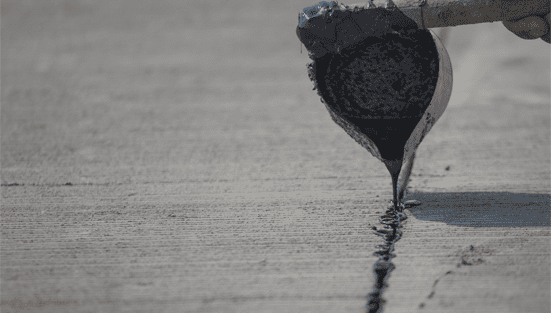
Concrete Joint Filling
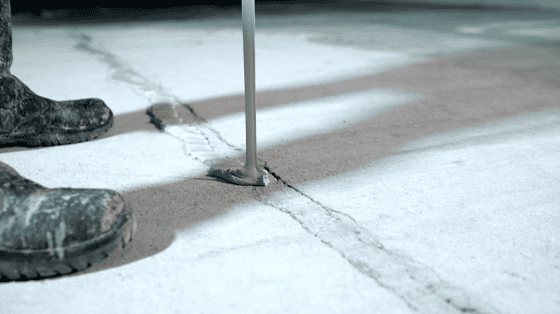
Joint filling stabilizes control and construction joints, preventing edge spalling and excessive movement under traffic.
Why It Matters
- Protects joint edges from breakdown
- Reduces vibration from forklifts and equipment
- Supports long-term concrete slab repair strategies
Joint filling is especially effective in facilities with frequent forklift traffic and heavy equipment, where joint stability directly impacts safety and performance.
Concrete Caulking and Sealing
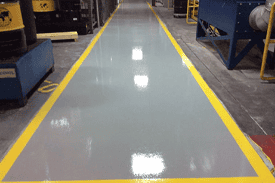
Concrete caulking and commercial concrete sealer systems protect joints and surfaces from moisture, staining, and debris.
Why It Matters
- Prevents moisture intrusion above the slab
- Improves cleanability and sanitation
- Supports long-term concrete floor durability
This solution is commonly used in industrial and commercial environments where moisture control, sanitation, and long-term surface protection are critical.
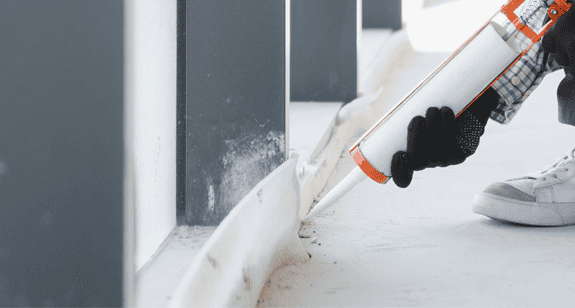
Learn more about concrete sealers from CPC Blogs:

Epoxy Concrete Repair & Patching
Epoxy concrete repair restores damaged areas of the slab using high-strength, industrial-grade materials.
Why It Matters
- Bonds tightly to existing concrete
- Restores structural integrity to damaged areas
- Performs under heavy traffic and impact
Epoxy concrete repair is ideal for high-traffic areas that require a durable, long-lasting solution to restore damaged concrete surfaces.
FAQs
- Increased cracking and slab movement
- Forklift vibration and premature equipment wear
- Trip hazards and safety concerns
- Moisture intrusion beneath the slab
- Leaking oils or chemicals contaminating the floors and/or corroding between the joints
- Difficulty cleaning as debris gets trapped in cracks
- Wear and tear on vehicles (plus driver fatigue) as wheels jolt across the uneven floor
Addressing concrete joint and cracking issues early is essential to extending the life of industrial and commercial concrete floors.
Schedule a Concrete Repair Assessment
For more than 40 years, CPC Floor Coatings has provided professional concrete repair services tailored to industrial and commercial environments. Our team evaluates slab conditions, traffic patterns, and operational demands to recommend the right combination of joint filling, epoxy concrete repair, concrete caulking, and sealing solutions.
Concrete joint and crack issues are easier and more cost-effective to address early. Contact us today to schedule an assessment and protect your concrete flooring long term.