

Warehouse Floor Coating Services
Professional Installation for Logistics & Distribution Centers
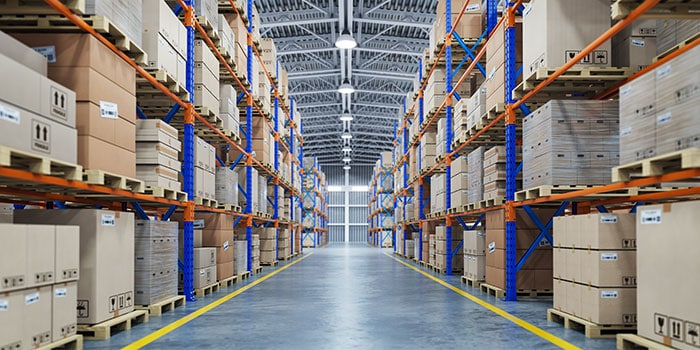
A warehouse floor works harder than almost any surface in your facility. With the right system and professional installation, your floor can become an asset that protects your people, your inventory, and your productivity every single day.
Let's solve your flooring problems together.
Why Warehouse Environments Need Specialized Flooring?
Warehouse environments demand specialized flooring because they face constant stress from heavy racking, forklifts, pallet jacks, and nonstop foot traffic. The right system must deliver:- High load-bearing strength for pallet racks and stored goods
- Impact and abrasion resistance for machinery and daily operations
- Slip-resistant, safe surfaces to support OSHA compliance
- Chemical and moisture resistance where needed
- Special features for cold storage, packaging lines, or hazardous materials
Common Warehouse Flooring Problems We Solve
High load-bearing strength for pallet racks and stored goods
Impact and abrasion resistance for machinery and daily operations
Slip-resistant, safe surfaces to support OSHA compliance
Chemical and moisture resistance where needed
Special features for cold storage, packaging lines, or hazardous materials
Traffic Zones & Use Cases Inside the Warehouse
Aisles and forklift lanes
Loading docks
Picking and packing areas
Battery charging stations
Staging and sorting zones
Breakrooms or office areas
Flooring Options in a Logistics Warehouse
We offer six flooring options, including warehouse floor coatings, polished concrete, and safety flooring, to meet the full range of logistics environment needs. With professional installation, we ensure every system is built to handle heavy traffic, tough conditions, and long-term performance.High-Gloss Concrete Polishing
Why It Works for Warehouses
- Increased surface density helps the floor resist forklift traffic, foot traffic, and abrasions
- Designed to withstand spills, dust, and heavy daily use
- Low maintenance; dry mop regularly with an occasional wet clean
Operational Advantages
- Long-lasting, cost-effective, and environmentally friendly
- Enhances visibility with a high-gloss, reflective finish
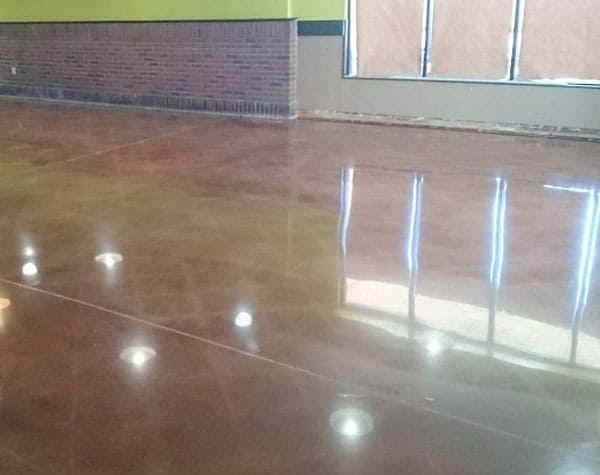
- Can incorporate dyes, logos, and safety markings for better navigation and branding
Ideal For Distribution Centers
- Packaging and fulfillment areas
- High-traffic storage aisles
- Facilities looking for a polished, professional appearance
From CPC Blog:
Concrete Polishing – The Environmentally Friendly Flooring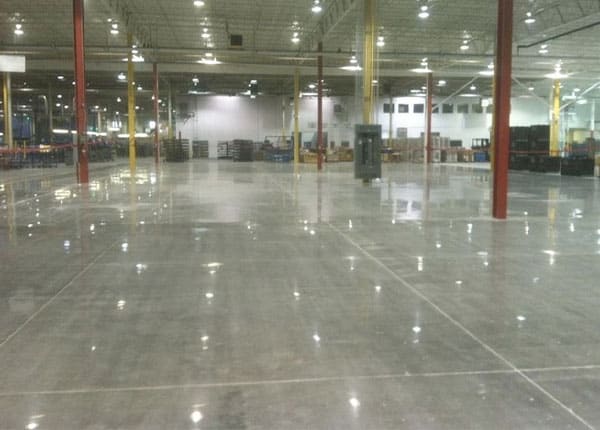

Dust-Free Concrete Polishing (Wet Polishing)
For facilities where dust control is critical, wet concrete polishing delivers a smooth, durable surface without contamination risks.
Why It Works for Warehouses
- Wet polishing captures dust in a slurry, preventing it from entering the air
- Provides the same strength and durability as traditional polishing
- Maintains performance under heavy traffic and daily warehouse operations
Operational Advantages
- Compliance with food, beverage, and hygiene-sensitive environments
- A low-luster, easy-to-clean finish that reduces glare
- Cost savings compared to dry polishing methods
- An environmentally friendly process that captures dust and minimizes impact
Ideal For
- Food and beverage storage
- Packaging and bottling areas
- Hygiene-sensitive warehouse zones
- Facilities requiring strict dust control

Epoxy Floor Coating
Epoxy is one of the most popular warehouse flooring solutions because it creates a strong, protective surface that stands up to heavy equipment, spills, and constant activity.
Why It Works for Warehouses
- Forms a high-strength surface that resists impacts, abrasions, and heavy loads
- Bonds tightly to the concrete substrate for long-term durability
- Can be installed in varying thicknesses to match light, moderate, or heavy traffic
Operational Advantages
- High chemical-resistance, ideal for spills, cleaning agents, and lubricants
- Optional quartz or flake systems that add traction and visual appeal
- ESD-resistant formulations for areas with sensitive electronics or flammability concerns
- A seamless, easy-to-clean surface that supports safety and efficiency
Ideal For
- High-traffic distribution centers
- Forklift and machinery lanes
- Packaging and assembly areas
- Facilities needing chemical or spill resistance

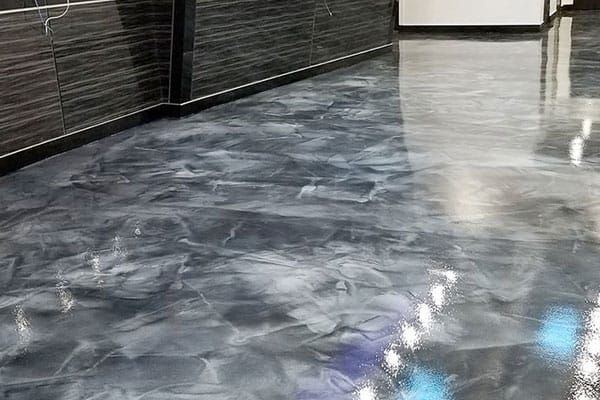
Floor Striping for 5S Organization
According to the 5S principles of workspace organization, employees and visitors should understand a room's workflow at a glance.
Why It Works for Warehouses
- Clearly communicates aisles, pathways, and equipment zones
- Enhances traffic flow and reduces congestion in busy areas
- Highlights hazard zones to prevent accidents and improve awareness
Operational Advantages
- Supports consistent 5S organization across the facility
- Provides durable markings that withstand forklift traffic and heavy use
- Helps improve safety and efficiency with clear visual cues
- Can be integrated with other floor systems for a cohesive, compliant layout
Ideal For
- Distribution and fulfillment centers
- Cross-dock and high-activity zones
- Safety aisles, loading areas, and equipment stations
- Facilities prioritizing OSHA compliance and visual management
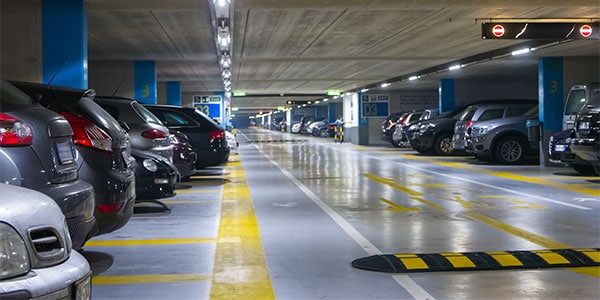

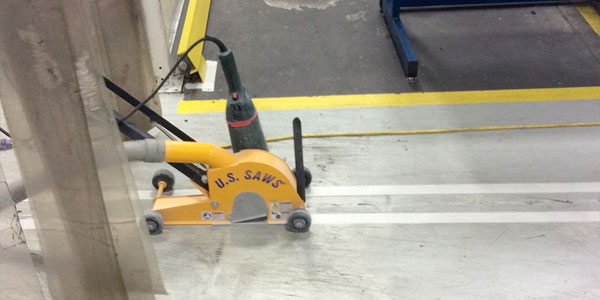
Floor Joint & Crack Filling
Repairing damaged joints and cracks is essential in warehouses, where heavy equipment and constant traffic can quickly turn small imperfections into safety risks and costly slab damage.
Why It Works for Warehouses
- Prevents small cracks from spreading under forklift loads
- Reinforces worn joints where slabs meet and flex
- Reduces tripping hazards and protects employees in busy areas
Operational Advantages
- Helps extend the life of your concrete slab
- Minimizes forklift wear and tear caused by uneven surfaces
- Creates a smoother, safer surface that improves traffic flow and efficiency
- Supports long-term maintenance and safety goals by addressing issues early
Ideal For
- High-traffic forklift aisles
- Loading docks and staging areas
- Older warehouse slabs with recurring joint damage
- Facilities wanting to prevent costly structural repairs

Anti-Slip Flooring
Why It Works for Warehouses
- Reduces slip hazards in high-traffic zones and spill-prone areas
- Provides a stable footing for forklift operators and pedestrians
- Supports OSHA safety goals by minimizing fall-related incidents
Operational Advantages
- Available in epoxy and urethane cement systems to match specific needs
- Helps prevent injuries, downtime, and liability costs
- Performs well under heavy traffic, cleaning, and daily wear
Ideal For
- Wet or spill-prone areas
- Loading docks and receiving zones
- Cold storage access points
- Facilities prioritizing employee safety and slip prevention

FAQs
A specialized warehouse floor system will protect your people, your equipment, and your inventory. A high-quality warehouse floor:
- Improves safety with clear warehouse floor marking, slip-resistant coatings
- Supports heavy loads from racking, forklifts, and continuous traffic
- Enhances efficiency by creating a smooth surface that allows faster, safer movement of goods, equipment, and staff
- Reduces equipment wear by preventing tire damage and vibration from uneven or deteriorating surfaces
- Minimizes downtime and repairs with durable systems that hold up to daily warehouse operations
- Simplifies cleaning with non-porous, easy-to-maintain finishes
- Creates a professional environment that reflects well on employees, visitors, and clients
Your floor should meet essential performance requirements for a high-demand environment, including:
- Load-bearing strength to support racking and stored goods
- Slip resistance to protect employees
- Impact resistance for forklift traffic and pallet drops
- Easy maintenance to reduce cleaning time and disruptions
- Minimal downtime during installation or repairs
- Assess your traffic levels: Identify how often forklifts, pallet jacks, and foot traffic move through each area.
- Evaluate environmental conditions: Consider moisture, temperature swings, chemical exposure, and hygiene requirements.
- Define your performance requirements: Determine the needed load-bearing strength, slip resistance, impact resistance, and maintenance expectations.
- Map out your activity zones: Aisles, loading docks, cold storage, and staging areas may require different flooring characteristics.
- Consider downtime limitations: Decide how much shutdown time your operation can afford during installation.
- Set your budget and longevity goals: Balance upfront cost with long-term durability, maintenance, and lifecycle savings.
- Get a professional flooring assessment: A professional flooring contractor can recommend the best system for your specific warehouse environment.
Get a Warehouse Flooring Assessment
Choosing the right warehouse floor is easier when you have a clear picture of your slab’s condition, traffic patterns, and performance requirements. As a trusted warehouse flooring contractor, our team at CPC Floor Coatings will assess your slab and recommend the right warehouse floor coating service to support your operations.
With more than 40 years of experience, we design flooring systems that enhance safety, durability, cleanability, and long-term performance in high-demand warehouse environments. Our team provides professional warehouse flooring installation across the Southeast within a 300-mile radius of Upstate South Carolina, helping you choose a solution that aligns with your workflow, operational goals, and budget.
Contact us today. We’ll assess your space and recommend a warehouse flooring system engineered for your environment.