

Specialty Pharmaceutical Flooring
Coating Systems Built for High-Control Environments
Your plant’s flooring should work with you, not against you, helping you stay compliant, maintain hygiene, and keep production moving smoothly. When you’re responsible for protecting people, products, and processes, you can’t afford a floor that creates more problems than it solves.
Meeting the Highest Standards
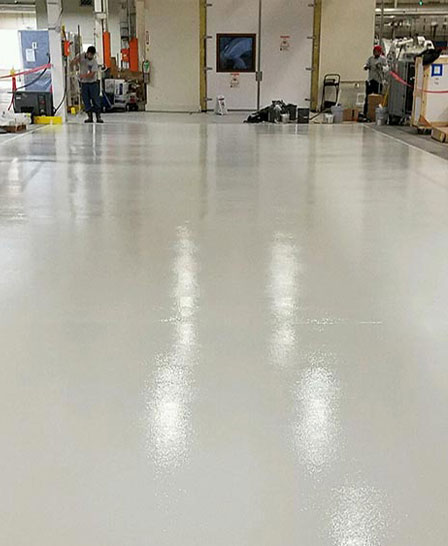
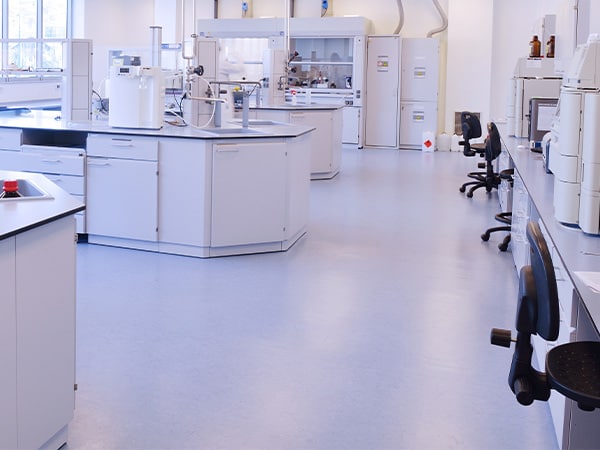
Pharmaceutical manufacturing facilities operate under some of the strictest safety and sanitation requirements. FDA regulations and Current Good Manufacturing Practices (cGMP) demand rigorous contamination control, including smooth, non-porous surfaces, free of cracks and joints. These expectations create pressure to maintain a facility that consistently meets audit-ready conditions.What High-Quality Pharma Floors Should Do for You
- Protect your company by staying FDA and USDA compliant
- Seal off any cracks where microbes could hide and flourish
- Offer a slip-resistant and easy-to-clean surface
- Meet these performance expectations throughout your facility—from production areas to cleanrooms, gowning rooms, and packaging lines
Let's solve your flooring problems together.

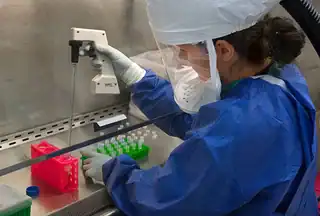
Even with stringent guidelines, you have multiple floor coating systems to choose from.
The right choice will check every box, from compliance to cleanliness to safety.
Epoxy Flooring
What is epoxy flooring?
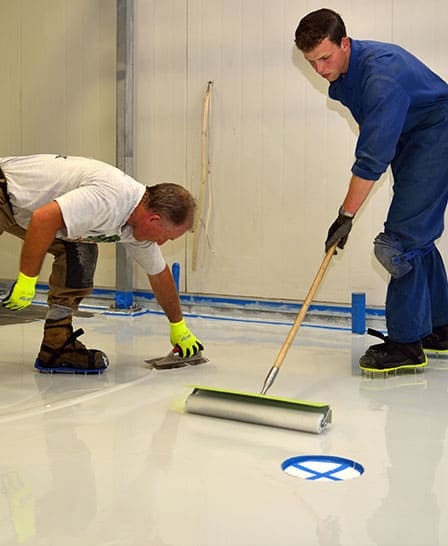
Epoxy flooring is a two-part resin system that chemically bonds to concrete, forming a seamless, non-porous surface at least two millimeters thick. As one of the most widely used resinous floors in regulated environments, it offers exceptional durability, liquid resistance, and sanitation performance.
Because of this strength, epoxy is especially effective in areas exposed to alcohol-based sanitizers, hydrogen peroxide vapor, and other harsh disinfectants commonly used in cleanrooms and production suites.
To meet different operational needs, epoxy is available in several formulations, including mortar, quartz-filled, flake, and electrostatic-dissipative (ESD). In pharma facilities, ESD epoxy is often chosen because it controls static discharge and reduces fire risk when working with sensitive chemicals.
How long do epoxy floors last?
How much does an epoxy floor cost?
In general, epoxy flooring can cost anywhere from $3 to $12 per square foot, depending on the type of epoxy you purchase, how you install it (roller, trowel, squeegee, or sprayer), and how many coats you need.
Urethane Flooring
What is urethane flooring?
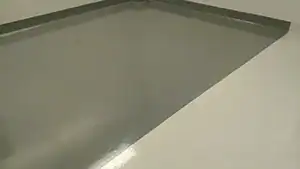
Urethane flooring is a durable, abrasion-resistant material that was originally developed in the 1930s and later utilized in high-performance applications, such as aircraft manufacturing. Today, urethane is widely used in commercial and industrial settings because of its long-term reliability.
Urethane floors are installed in multiple thin layers, creating a rigid, flexible surface that holds up under heavy use and frequent cleaning. This makes urethane a practical choice for pharmaceutical manufacturers who need a resilient, easy-to-maintain floor that supports strict hygiene standards.
How long do urethane floors last?
Whether on its own or in combination with an epoxy coating, urethane is damage- and corrosion-resistant and stands up well under heavy traffic. Even professionally installed urethane floors, however, show wear when subjected to a lot of feet tramping across them. Most urethane floors need recoating about every 3-5 years.
Polished Concrete Flooring
What is polished concrete flooring?
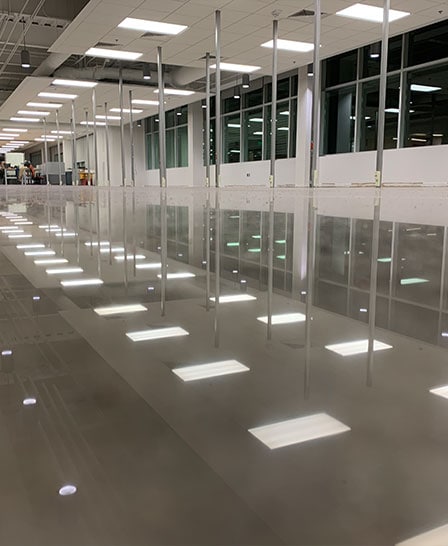
Polished concrete is created through a multi-step process that grinds, refines, and polishes the concrete surface. A penetrating hardener is applied during the process to increase density and durability, resulting in a smooth, glossy finish.
It’s also a highly sustainable option as it’s finished in place, requires no hazardous installation chemicals, and offers energy efficiency thanks to its dense composition. Despite common misconceptions, polished concrete does not make buildings colder in winter.
How long do polished concrete floors last?
How much does a polished concrete floor cost?
Polished concrete costs can vary tremendously. Yet, these floors' longevity makes them one of the most affordable choices on the market.
Safety Flooring
What is safety flooring?
In pharmaceutical environments, safety flooring goes beyond basic slip resistance. It centers on creating a seamless surface that prevents pathogens from settling into cracks or joints and spreading throughout the facility.
This level of protection is especially important in areas with wet processing, sanitizer overspray, powder handling, or the slip hazards that occur during cleanroom gowning procedures.
What are the key safety flooring considerations in pharma facilities?
- Seamless installation to eliminate cracks where contaminants can accumulate
- Slip-resistant textures to prevent falls in wet or sanitized areas
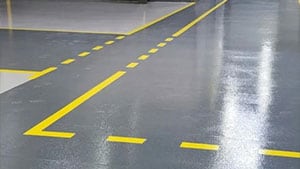
- Line striping and markings that support GMP-compliant workflow separation
- Surfaces that withstand aggressive cleaning and disinfecting
- Durability under constant foot and cart traffic


Extreme Chemical Resistant Flooring
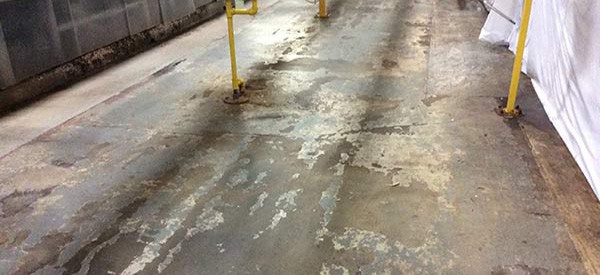
Chemical-resistant coatings are essential in areas of the pharmaceutical plant that are exposed to corrosive substances. These systems are designed to withstand harsh agents, such as peracetic acid, sodium hydroxide, phenolic disinfectants, and solvent-based ingredients, which are commonly used in pharmaceutical production.
From CPC Blog: What floor coatings can withstand a chemical environment? Avoiding Unexpected Floor Coating Chemical Corrosion
FAQs
Let’s Talk about Your Pharmaceutical Flooring Needs
Need seamless, sanitary flooring that can withstand strict compliance standards, frequent sanitization, and the daily demands of pharmaceutical manufacturing? Talk to the specialists at CPC Floor Coatings.
With more than 40 years of experience, we install flooring systems that support FDA and cGMP requirements while enhancing safety, cleanability, and long-term performance. We serve pharmaceutical and life science facilities across the Southeast within a 300-mile radius of Upstate South Carolina, helping each client choose the coating system that fits their processes, cleanliness goals, and budget.
Contact us today. We’ll help you select a flooring solution engineered for your environment, your workflow, and your compliance needs.