

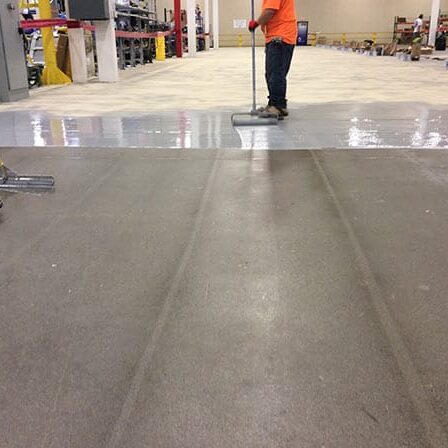
Slip-Resistant Flooring for Safer Workplaces
Prevent Accidents with Non-Slip Coatings
Slip-Resistant Flooring:
The Alarming Numbers
Source: U.S. Bureau of Labor Statistics
The Costs for Businesses
Direct and indirect expenses from slip-and-fall accidents include medical treatment, workers’ comp, lost productivity, higher insurance premiums, and legal fees.
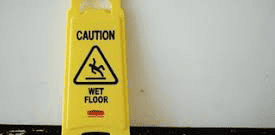
“Falls on the same level” and “falls to a lower level” rank among the top three causes of the most serious workplace injuries.
These incidents cost U.S. businesses an estimated $16 billion annually
Slip-Resistant Flooring Can Help
Installing non-slip floor coatings is one of the most effective ways to reduce or even eliminate these types of injuries. These floors:
- Improve traction through increased surface friction
- Help prevent accidents even in wet or high-traffic areas
- Support compliance with safety standards like OSHA and ADA
By proactively investing in anti-slip concrete flooring, you not only protect your team, but also reduce liability, control costs, and improve productivity.
Key Benefits of Slip-Resistant Flooring
Enhanced workplace safety
Lower financial losses
Improved employee morale
Increased productivity and ROI
Supports regulatory compliance,
Lower maintenance requirements
Positive brand perception,
Ideal Applications for Slip-Resistant Floors
Facilities that are prone to spills or work with slippery substances like oil, grease, or cleaning chemicals can greatly benefit from slip-resistant floor coatings. These coatings add essential traction in environments where safety is critical.
Common applications include:
- Commercial and industrial kitchens
- Restaurants and bars
- Warehouses and manufacturing facilities
- Automotive repair and service shops
- Chemical processing plants
- Pharmaceutical and biotech facilities
- Food and beverage production areas
How Do Anti-Slip Floor Coatings Work?
Slip-resistant coatings rely on added texture to increase surface friction and provide better grip underfoot. One of the most common approaches is a broadcast flooring system, where an aggregate, such as crushed quartz or aluminum oxide, is broadcast into the coating and then sealed in place. This creates a durable, textured surface that helps prevent slips and falls.
Other systems incorporate the aggregate directly into the top layers of the coating. These suspended aggregate coatings distribute the material throughout the surface, ensuring consistent traction even as the floor experiences wear over time.
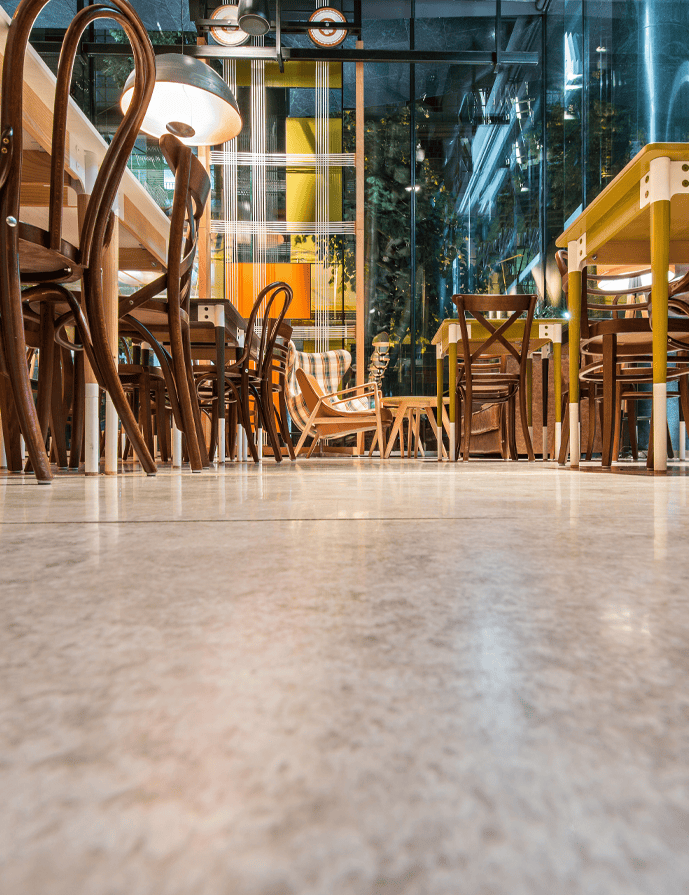
Beyond Slip Resistance: Additional Flooring-Related Safety Measures
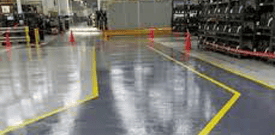
While slip-resistant coatings go a long way in reducing physical hazards, visual communication plays a critical role in preventing workplace accidents. Integrating floor striping and safety markings into your flooring system adds another layer of protection by clearly signaling how a space should be used.
By using lines, color zones, directional arrows, and other visual cues, you can create a safer, more organized facility where employees and visitors instantly understand where it’s safe to walk, work, or operate machinery.
Floor striping and markings can help you:
- Identify pedestrian walkways and separate them from forklift or vehicle traffic
- Highlight hazardous areas, such as electrical panels, chemical storage, or wet zones
- Mark emergency equipment like fire extinguishers, eyewash stations, and exit paths
- Define work zones and equipment areas in line with 5S
- Prevent congestion by marking areas that must stay clear for operations or safety
- Improve navigation and flow for employees, vendors, and visitors alike

FAQs
They’re ideal for wet, oily, or high-traffic areas such as kitchens, manufacturing plants, warehouses, repair shops, and chemical processing facilities.
Applying anti-slip floor coating typically involves:
- Cleaning the surface to remove all dirt, grease, and contaminants
- Mechanically preparing the concrete through sanding or grinding to ensure proper adhesion
- Applying the base coat, followed by broadcasting or mixing in aggregate (e.g., quartz or sand)
- Sealing the surface with a durable topcoat
Professional installation is recommended for best results and long-term performance.
Yes. Slippery floors are a major cause of workplace injuries, especially slips, trips, and falls. They can lead to serious safety incidents, downtime, and costly claims.
When properly installed and maintained, anti-slip coatings can last 5 to 10 years or more, depending on traffic levels and environmental conditions.
Yes. Floor striping, markings, and color-coded zones can be integrated into slip-resistant coating systems for enhanced safety and visual communication.
The most common types of slip-resistant flooring used in industrial settings include:
- Epoxy (often with quartz, sand, or aluminum oxide for traction)
- Polished or sealed concrete (treated with anti-slip additives or coatings)
They can slightly alter the look depending on the aggregate used, but many systems can be customized to maintain or even enhance aesthetics.
Yes. When properly installed, many coatings are designed to meet or exceed OSHA and ADA standards for slip resistance. Download OSHA’s Walking-Working Surface Requirements Checklist
Let’s get down to business.
One quick form submission gets the ball rolling. . .
Partner with CPC Floor Coatings for Reliable Slip-Resistant Floor Coatings Installation
Slippery floors put your employees, customers, and business at risk. At CPC Floor Coatings, we specialize in installing durable, non-slip flooring systems that help you reduce accidents, improve safety, and maintain productivity.
With over 40 years of experience in industrial and commercial floor coatings, our team delivers long-lasting, high-performance solutions tailored to your environment, whether you’re dealing with water, oil, dust, or high foot traffic. We proudly serve facilities within a 300-mile radius of Upstate South Carolina and are committed to getting the job done right the first time.
Contact us today to schedule a consultation. Let’s make your floors safer, stronger, and ready for whatever your facility demands.